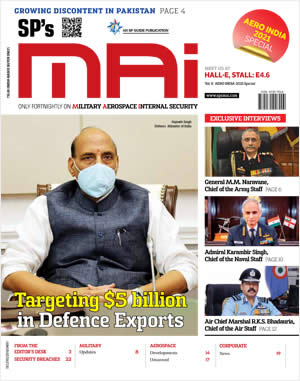





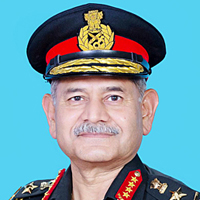
The insightful articles, inspiring narrations and analytical perspectives presented by the Editorial Team, establish an alluring connect with the reader. My compliments and best wishes to SP Guide Publications.
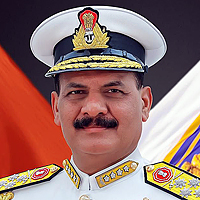
"Over the past 60 years, the growth of SP Guide Publications has mirrored the rising stature of Indian Navy. Its well-researched and informative magazines on Defence and Aerospace sector have served to shape an educated opinion of our military personnel, policy makers and the public alike. I wish SP's Publication team continued success, fair winds and following seas in all future endeavour!"

Since, its inception in 1964, SP Guide Publications has consistently demonstrated commitment to high-quality journalism in the aerospace and defence sectors, earning a well-deserved reputation as Asia's largest media house in this domain. I wish SP Guide Publications continued success in its pursuit of excellence.
India's indigenous Tejas fighter programme faces setbacks as HAL penalises GE over delayed engine deliveries, slowing production. However, with technical issues resolved, the grounded fleet is set to resume operations.
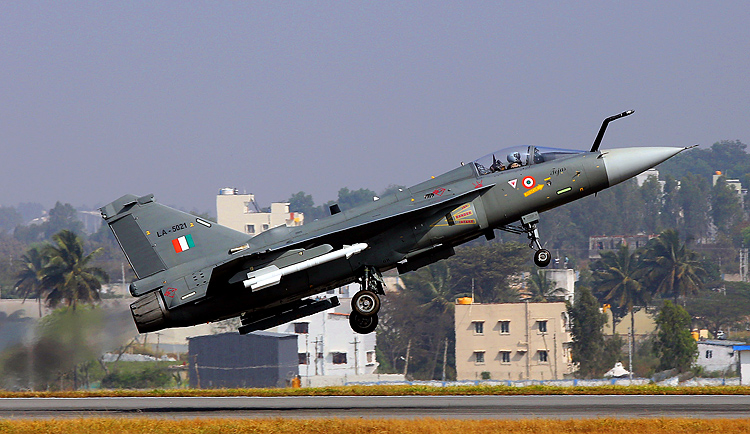
India's indigenous fighter jet programme received a mixed update this week, as Hindustan Aeronautics Limited (HAL) imposed contractual penalties on US-based General Electric (GE) over delays in engine deliveries, even as the grounded Tejas fleet is expected to resume operations shortly.
The delay has significantly impacted the production timeline of the Tejas Mk-1A programme. Out of 99 engines ordered, only a handful have been delivered so far.
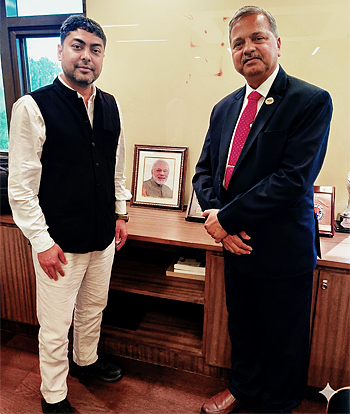
HAL Chairman D.K. Sunil in a personal interaction with the writer, confirmed that penalties have been enforced under the contract due to delays in the supply of F404 engines—critical components for the Tejas Mk-1A aircraft. The move reflects a stricter stance by India's defence sector in ensuring accountability from global suppliers.
HAL Chairman stated that the entire fleet of 34 Tejas aircraft is expected to gradually resume flying operations, restoring confidence in the platform
The delay has significantly impacted the production timeline of the Tejas Mk-1A programme. Out of 99 engines ordered, only a handful have been delivered so far, causing a bottleneck in aircraft assembly and delivery to the Indian Air Force (IAF).
In a positive development, HAL indicated that the Tejas fleet—grounded for weeks following a technical issue—is likely to return to the skies soon. The grounding was triggered by a software-related problem in the aircraft's braking system, which has now been largely rectified after extensive checks and upgrades.
HAL Chairman stated that the entire fleet of 34 Tejas aircraft is expected to gradually resume flying operations, restoring confidence in the platform. The resumption is crucial for the IAF, which is grappling with a shortage of fighter squadrons and is relying heavily on Tejas to bolster its capabilities.
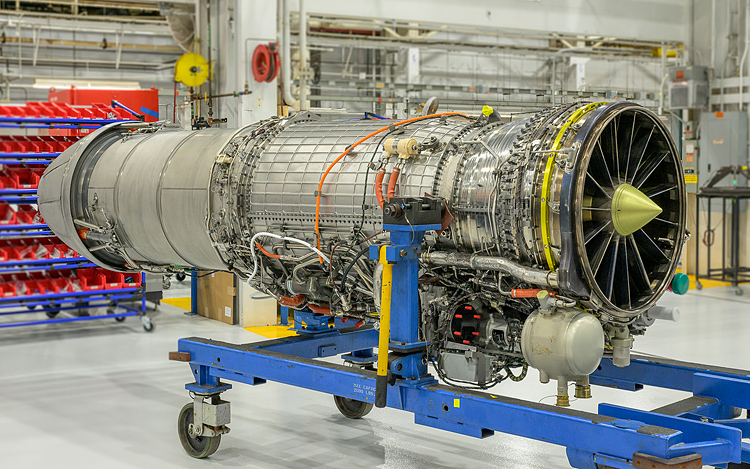
D.K. Sunil also highlighted that radar systems for the Tejas aircraft are continuing to be supplied, even as engine delays from General Electric have slowed overall aircraft deliveries.
HAL clarified that there is no major issue with radar availability for the HAL Tejas programme. The radars—primarily supplied by Uttam AESA Radar programme and Israeli systems like those from Elta Systems—are being delivered as planned. This means avionics and mission systems are largely on track, unlike the engine supply bottleneck.
GE has cited global supply chain issues for the delay, it has assured HAL of accelerated deliveries, with a commitment to supply more engines by the end of 2026
The Tejas Mk-1A programme, part of a ₹48,000-crore deal for 83 aircraft, has faced repeated delays due to supply chain disruptions and dependency on foreign engine manufacturers.
While GE has cited global supply chain issues for the delay, it has assured HAL of accelerated deliveries, with a commitment to supply more engines by the end of 2026.
The situation highlights a broader challenge in India's push for defence self-reliance under the "Make in India" initiative—continued dependence on imported critical technologies like jet engines.
While the imposition of penalties on GE underscores India's assertiveness in defence contracts, the expected return of the Tejas fleet offers a timely boost
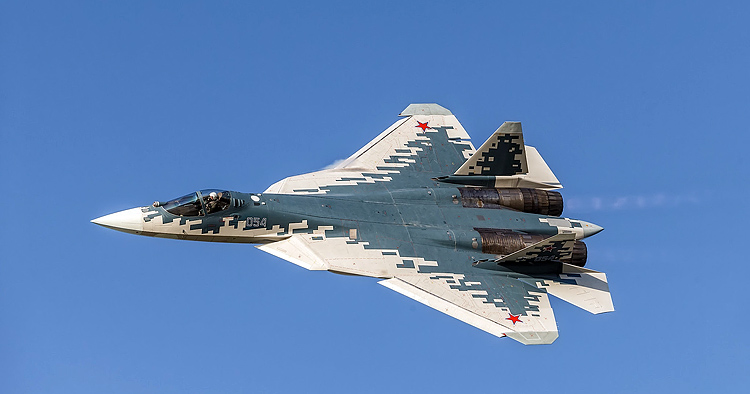
Amid these developments, HAL also revealed that Russia has made a presentation regarding its fifth-generation Su-57 fighter jet, indicating potential future collaboration in advanced combat aircraft technology.
Additionally, India is exploring options for trainer aircraft, with Russia emerging as a possible partner for future requirements—signaling a diversification of defence partnerships beyond traditional suppliers.
The Indian Air Force continues to push for faster induction of Tejas jets to replace its ageing fleet. Despite delays, HAL maintains that several aircraft are ready and awaiting engine integration, and production momentum is expected to pick up once supply stabilizes.
While the imposition of penalties on GE underscores India's assertiveness in defence contracts, the expected return of the Tejas fleet offers a timely boost. As India navigates supply chain hurdles and explores new international collaborations, the success of the Tejas programme remains central to strengthening the nation's air power and achieving long-term self-reliance in defence manufacturing.
Manish Kumar Jha is a Consulting & Contributing Editor for SP's Aviation, SP's Land Forces and SP's Naval Forces and a security expert. He writes on national security, military technology, strategic affairs & policies.